







PETER FUNCH SHOWS US THE ART OF APPRECIATING THE EVERYDAY IN
Select Ishtar
Peter Funch

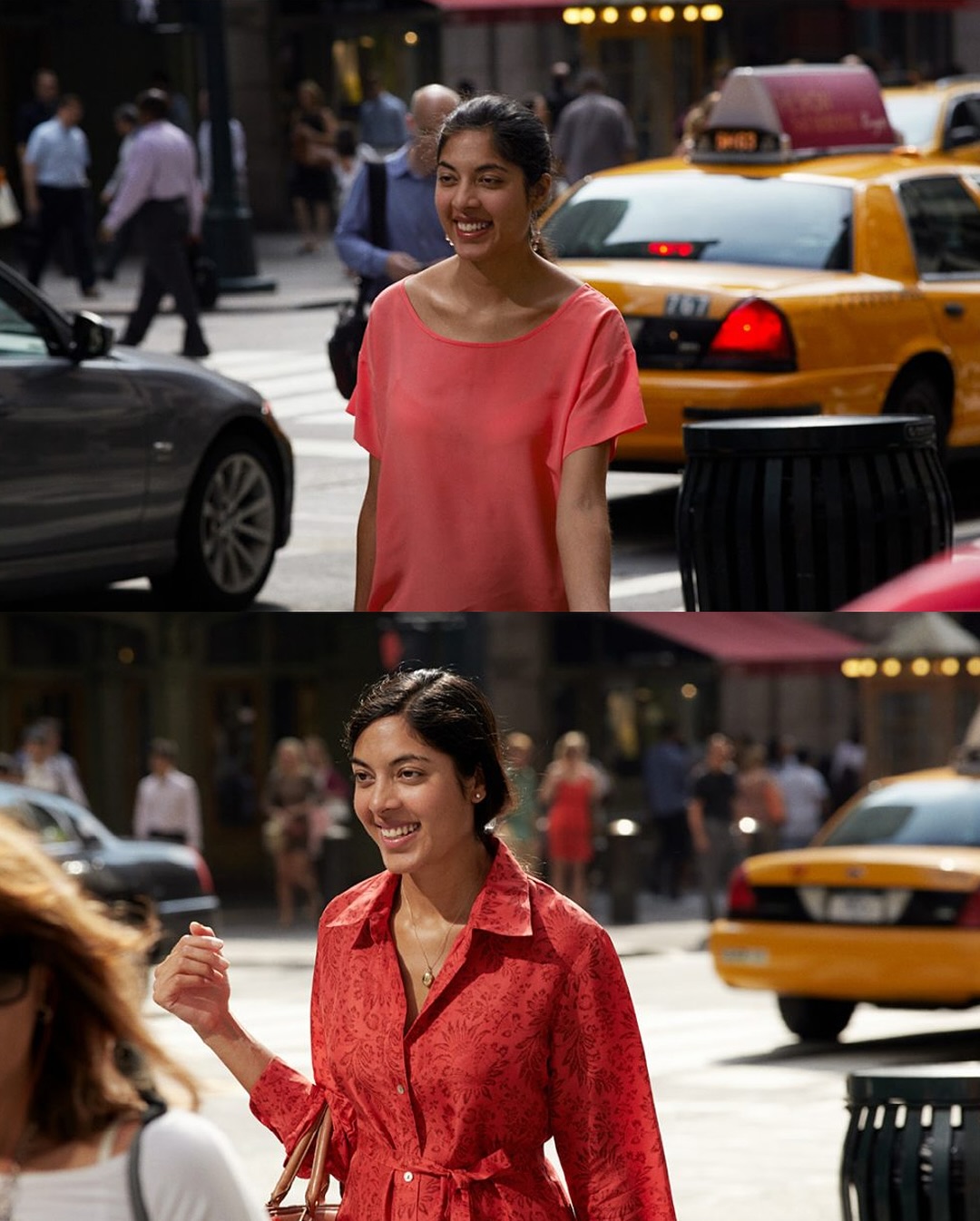
Photographer Peter Funch embarked on a mission: to photograph the crowds of people passing by the corner of 42nd Street and Vanderbilt in New York between 8:30 and 9:30 in the morning. He did this for nine years. But what was his goal? For Funch, it was about developing a gentle, cosmopolitan "surveillance" suspended in time.
The more time he spent contemplating the people in his frames, the more he realized that a large majority of passersby walked through the same spot at the same time, and sometimes, dressed the same way. At times they were pensive, other times they were worried, and for the most part, they were automated by the city's routine to reach their destination.
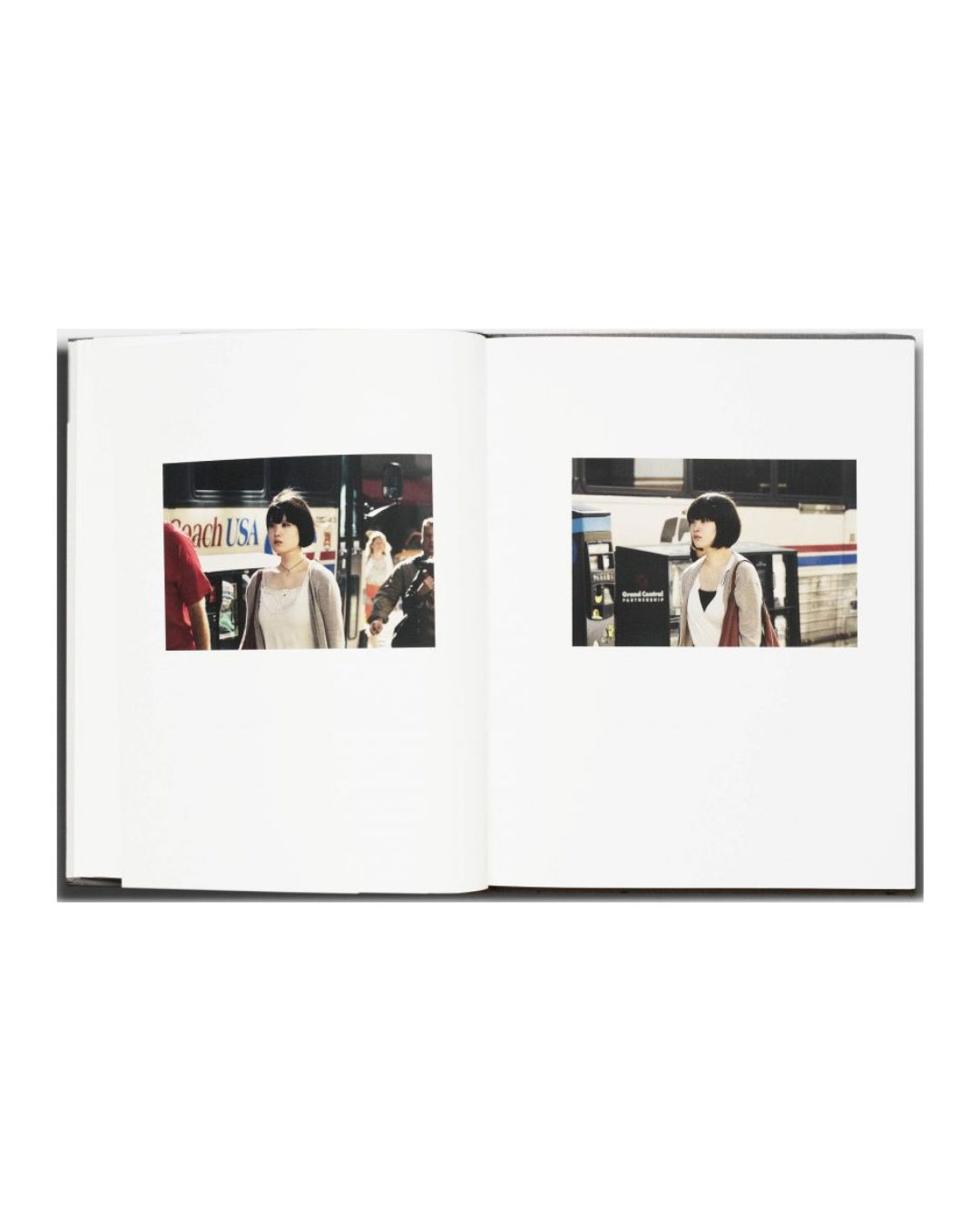
The exploration in his photo book, "42nd and Vanderbilt," poses the question: "What's wrong with being a cliché?" At the same time, it suggests that the real world isn't the one we interact with, but the one that happens inside our heads. It's the universe our mind creates when we put on headphones or get lost in the rhythm of our steps. Everything moves, and not necessarily because we're physically moving, but because we keep thinking.
This isn't a series of photographs meant to show a person's physical change. However, the corner of 42nd and Vanderbilt is a corner without blind spots, where one exists. We, as viewers, can only assume, admire the surroundings, and question the emotions present on their faces, and why in one photograph they seem happy and in another, they seem worried.
Funch describes his decision to show pairs of photographs of the same recurring subjects this way: "The idea is that it's easier to compare two images than ten, and at the same time, how much we can interpret in two images instead of one. The time and repetition become obvious." It's a small narrative that generates expectation and curiosity. It's about observing everyday life and asking, "what's going through their minds?